 Skip to content
Over 70% of wood flooring failures stem from improper installation, not defective materials. Many homeowners and property managers assume that choosing premium flooring guarantees long-lasting results, but poor installation techniques undermine even the highest-quality products. Expert flooring teams bring specialized knowledge, precision tools, and proven methods that protect your investment and deliver floors built to withstand Colorado’s unique climate challenges. This article reveals how professional installation improves durability, aesthetics, and long-term value for residential and commercial properties across the Denver Metro Area and beyond.
Table of Contents
- The Critical Role Of Subfloor Preparation In Flooring Success
- Specialized Knowledge For Material-Specific Installation
- Warranties And Compliance: Safeguarding Your Investment
- Cost Considerations And Long-Term Value Of Professional Installation
- Discover Expert Flooring Services For Colorado Homeowners And Managers
Key takeaways
| Point | Details |
|---|---|
| Expert preparation prevents failures | Proper subfloor leveling, moisture testing, and cleaning eliminate over 70% of common flooring issues. |
| Material-specific expertise matters | Professional teams apply precise techniques tailored to hardwood, laminate, LVP, and tile for optimal results. |
| Warranties protect your investment | Licensed installers offer 1-5 year workmanship guarantees and comply with local building codes. |
| Professional work extends lifespan | Expert installation increases floor durability by 30-50% compared to DIY approaches. |
| Long-term value justifies upfront costs | Durable floors installed correctly provide approximately 69% return on investment. |
The critical role of subfloor preparation in flooring success
Subfloor preparation forms the foundation of every successful flooring project. Inadequate subfloor preparation leads to over 70% of wood flooring failures, yet many property owners overlook this essential step. The subfloor must be level, dry, and clean before any flooring material goes down. Uneven surfaces create gaps, squeaks, and premature wear. Moisture trapped beneath flooring causes warping, mold growth, and structural damage that requires expensive remediation.
Expert flooring teams use specialized tools to detect hidden problems that untrained eyes miss. Moisture meters reveal dampness levels that compromise adhesive bonds and material integrity. Laser levels identify subtle variations that lead to uneven floors. Professionals address these issues before installation begins, preventing costly repairs down the road.
Colorado’s climate presents unique challenges for flooring installations. Elevation changes, dry air, and temperature fluctuations affect how materials acclimate and perform. Expert teams understand these regional factors and adjust preparation techniques accordingly. They allow proper acclimatization time for wood products and conduct thorough moisture testing to ensure optimal conditions.
Pro Tip: Always insist on moisture testing and allow hardwood flooring to acclimate in your space for at least 72 hours before installation, matching the humidity levels where the floor will live permanently.
Proper subfloor preparation delivers multiple benefits beyond preventing immediate failures:
- Extends flooring lifespan by creating stable, supportive foundations
- Reduces noise transmission through proper underlayment selection
- Improves thermal efficiency and comfort underfoot
- Prevents voiding of manufacturer warranties that require professional installation standards
- Eliminates height transitions that create tripping hazards
Improper subfloor prep accounts for up to 60% of premature flooring issues in commercial and residential properties. This statistic highlights why cutting corners during preparation costs more in the long run. Professional teams follow comprehensive flooring installation checklists that ensure every critical step receives proper attention.
The National Wood Flooring Association maintains rigorous wood flooring standards that certified installers follow. These guidelines cover moisture content limits, flatness tolerances, and fastening requirements specific to different flooring types. Adhering to these standards protects your investment and ensures predictable, lasting results.
Specialized knowledge for material-specific installation
Each flooring material demands unique installation techniques that significantly impact performance and appearance. Hardwood requires precise expansion gaps to accommodate seasonal movement, while laminate needs specific underlayment to prevent moisture damage and reduce sound transmission. Luxury vinyl plank installations depend on perfectly smooth subfloors to prevent telegraphing of imperfections. Tile work demands proper thinset application and grout selection based on location and traffic patterns.
Expert flooring teams bring material-specific knowledge that prevents common installation errors. They understand how Colorado’s dry climate affects wood moisture content and adjust installation methods accordingly. Professional tile installation reduces cracking and grout issues by 25% compared to inexperienced work. This expertise translates directly into floors that maintain their beauty and structural integrity for decades.
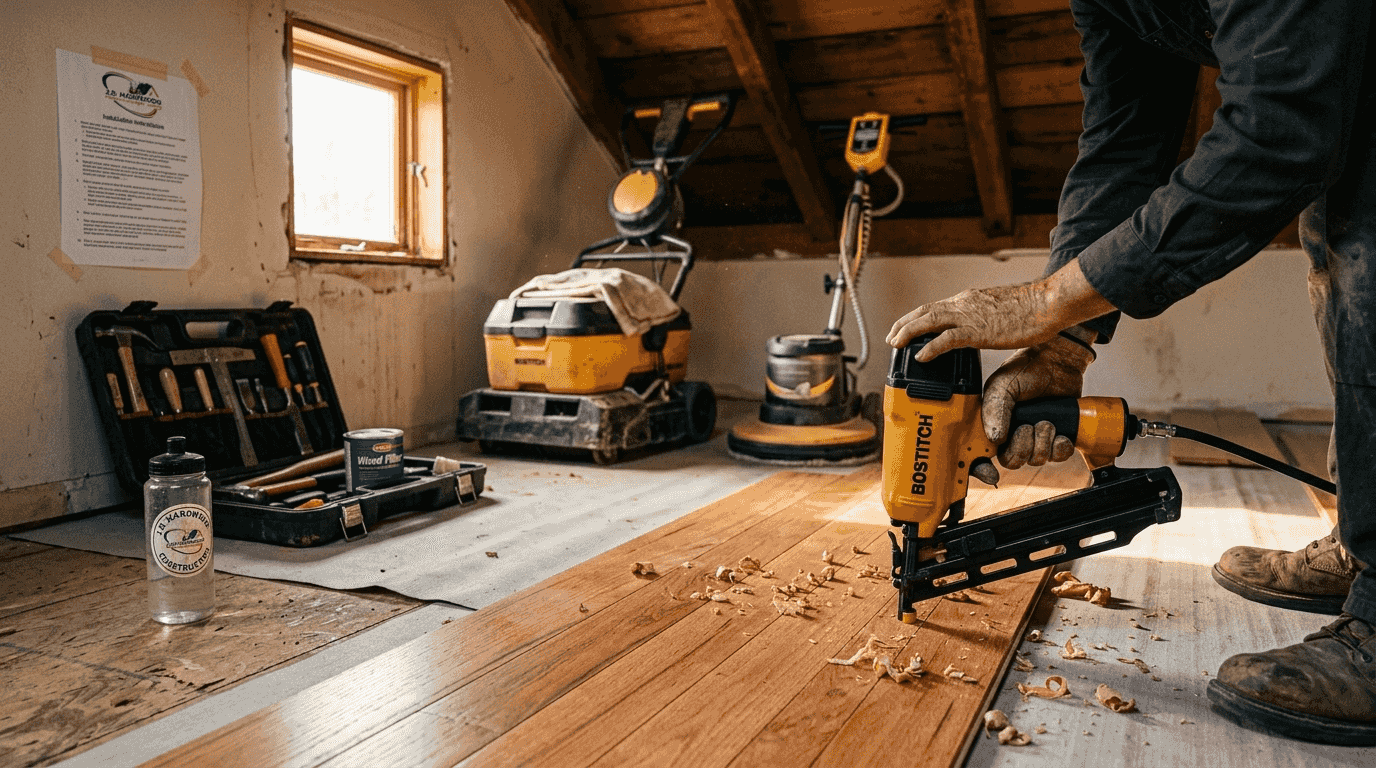
Laminate flooring installed by experts achieves a 95% success rate versus 70% for DIY installations in Denver. The difference stems from precise measurement, proper underlayment selection, and understanding how to create expansion zones that prevent buckling. Small mistakes during laminate installation create cascading problems that appear months after completion.
Professional teams also provide valuable guidance on material selection based on your specific environment and usage patterns. High-traffic commercial spaces require different products than residential bedrooms. Basements with potential moisture issues need materials engineered to resist humidity. Sunlit rooms demand finishes that resist UV fading.
Pro Tip: Selecting flooring materials matched to your room’s specific conditions can boost lifespan by up to 20% and reduce maintenance requirements significantly.
Comparing professional and DIY installation outcomes reveals substantial differences:
| Installation Aspect | Professional Result | DIY Result |
| — | — |
| Success Rate | 95% completion without defects | 70% completion without defects |
| Warranty Coverage | 1-5 year workmanship guarantee | No warranty protection |
| Time to Complete | 2-3 days for average room | 5-7 days with learning curve |
| Material Waste | 5-8% overage for cuts | 15-20% waste from errors |
| Compliance with Codes | 100% adherence to standards | Variable, often incomplete |
Expert installers use professional-grade tools that deliver precision impossible with consumer equipment. Pneumatic nailers ensure consistent fastening depth. Laser-guided saws create perfectly square cuts. Moisture meters with deep probes detect problems beneath surface layers. These tools, combined with years of experience, produce results that DIY approaches cannot match.
Understanding the differences between engineered vs laminate flooring requires expertise that professionals bring to every consultation. They explain how each material performs in Colorado’s climate and recommend options that align with your budget and aesthetic goals. This guidance prevents costly mistakes and ensures you get flooring that meets your expectations.
Professional hardwood floor installation follows strict protocols for nail spacing, board layout, and finish application. The Ceramic Tile Education Foundation maintains tile installation standards that certified professionals follow to prevent cracking, lippage, and grout failures. These standards exist because proper technique matters enormously for long-term performance.
Warranties and compliance: safeguarding your investment
Workmanship warranties provide crucial protection that DIY installations cannot offer. Professional installers typically offer 1-5 year warranties covering defects in installation workmanship, giving you recourse if problems emerge. These guarantees demonstrate installer confidence in their work and provide financial security for your flooring investment.
Licensed and insured flooring professionals carry liability coverage that protects you from accidents or damage during installation. If a worker gets injured or your property sustains damage, their insurance handles claims. DIY projects and unlicensed contractors leave you exposed to significant financial risk.
Building code compliance becomes especially important for commercial properties and major residential renovations. Expert teams comply with local building codes essential for commercial flooring installations, ensuring your project passes inspections and meets safety requirements. Violations can result in fines, required removal of non-compliant work, and complications when selling your property.
Colorado municipalities enforce specific requirements for flooring installations, particularly in commercial buildings and multi-family housing. These regulations cover fire resistance, slip resistance, and accessibility standards. Professional installers stay current with code changes and ensure your project meets all applicable requirements.
Pro Tip: Always verify that your flooring contractor holds current licensing, carries adequate insurance, and can provide recent references from projects similar to yours before signing any contracts.
The benefits of hiring credentialed professionals extend beyond legal compliance:
- Accountability through professional associations and licensing boards
- Access to manufacturer training on newest products and techniques
- Established relationships with suppliers for better material pricing
- Proven track records documented through customer reviews and portfolios
- Bonding that protects against contractor abandonment or bankruptcy
Manufacturer warranties often require professional installation to remain valid. Installing flooring yourself or using unlicensed contractors can void these warranties, leaving you without recourse if the product fails prematurely. Professional installers document their work and provide certificates that preserve your warranty coverage.
Commercial property managers face additional regulatory requirements that demand expert knowledge. ADA compliance, fire codes, and occupancy restrictions all influence flooring choices and installation methods. Professional teams navigate these complexities and deliver installations that meet all applicable standards.
Reviewing hardwood refinishing Q&A resources helps you understand what questions to ask potential contractors. Look for detailed answers about their processes, timelines, and quality guarantees. Transparent communication indicates professionalism and reliability.
HomeAdvisor maintains comprehensive information about flooring installation warranties and what coverage you should expect. Understanding standard warranty terms helps you evaluate contractor proposals and identify unusually limited guarantees that signal potential quality issues.
Cost considerations and long-term value of professional installation
Floor installation costs in Denver range from $1,533 to $4,740, averaging $3,088 for typical residential projects. These figures include both materials and labor, with Denver’s labor rates running higher than national averages due to strong demand and cost of living. Understanding these costs helps you budget appropriately and avoid contractors whose suspiciously low bids signal corner-cutting.
Several factors beyond basic installation influence total project costs. Permit costs can range $35-$330, furniture movers charge $75-$200 per hour, and professional cleaning runs $15-$200 per hour in Denver. Subfloor repairs, moisture remediation, and disposal of old flooring add to the bottom line. Transparent contractors provide detailed estimates that account for these potential extras.
While professional installation costs more upfront than DIY attempts, the long-term value proposition favors expert work. Durable floors installed professionally provide about 69% return on investment through increased property value and reduced replacement costs. Floors that last 30 years instead of 15 deliver substantial savings over their lifetime.
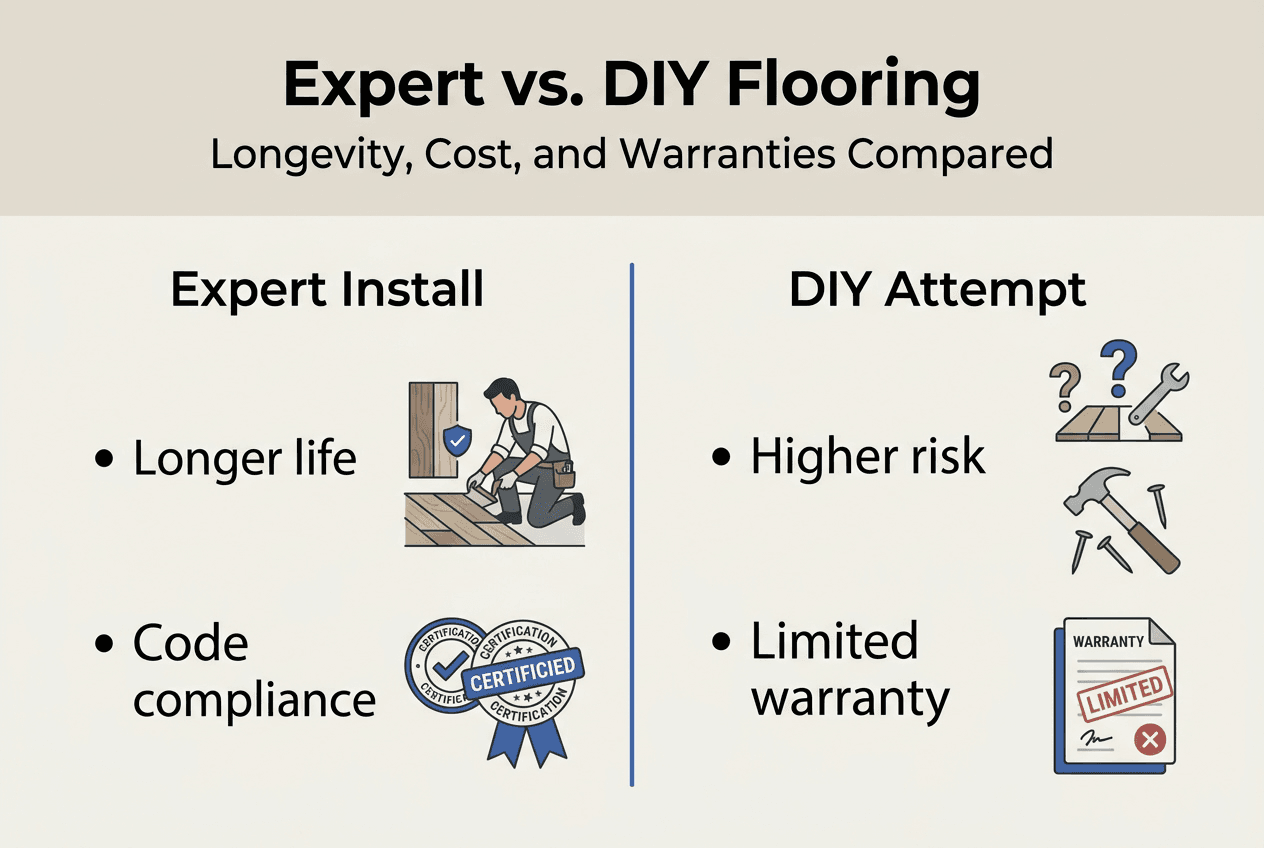
Professional installation eliminates costly do-over scenarios that plague DIY projects. Purchasing materials twice, renting tools multiple times, and spending weekends fixing mistakes quickly erases any initial savings. Expert installers get it right the first time, saving you money and frustration.
Typical cost breakdown for professional flooring installation in Denver:
| Cost Category | Price Range | Notes |
| — | — |
| Materials | $3-$15 per sq ft | Varies by flooring type and quality |
| Labor | $4-$12 per sq ft | Denver rates above national average |
| Subfloor Prep | $2-$5 per sq ft | If leveling or repairs needed |
| Permits | $35-$330 | Depends on project scope |
| Furniture Moving | $75-$200 per hour | Optional service, saves your back |
| Old Flooring Removal | $1-$3 per sq ft | Disposal fees included |
Budgeting effectively for a professional flooring project requires following these steps:
- Measure your space accurately and add 10% for waste and future repairs
- Get written estimates from at least three licensed, insured contractors
- Verify that quotes include all prep work, materials, labor, and cleanup
- Set aside 15-20% contingency for unexpected subfloor issues or scope changes
- Check contractor references and review portfolios of completed projects
- Confirm warranty coverage and what situations void the guarantee
- Establish a clear timeline with milestones and payment schedule
Comparing hardwood vs laminate flooring costs reveals significant price differences that influence material selection. Hardwood installation runs higher but offers superior longevity and refinishing potential. Laminate costs less initially but cannot be refinished, requiring full replacement when worn.
Property value increases from quality flooring installations justify the investment for many homeowners. Buyers notice beautiful, well-maintained floors immediately upon entering a home. Updated flooring ranks among the top improvements that influence purchase decisions and support higher asking prices.
Commercial property managers benefit from professional installation through reduced downtime and extended replacement cycles. Floors installed correctly withstand heavy traffic longer, minimizing disruption to business operations. The durability advantage translates directly into lower total cost of ownership.
Discover expert flooring services for Colorado homeowners and managers
Transforming your floors from worn and dated to stunning and durable requires the expertise that J.R. Hardwood Floor Refinishing & Cleaning brings to every project. Our team combines specialized knowledge, professional-grade equipment, and proven techniques to deliver flooring results that exceed expectations and stand the test of time.
Whether you need comprehensive hardwood floor refinishing services to restore aging floors or complete installation of new hardwood, LVP, or laminate, we provide transparent pricing, clear timelines, and meticulous attention to detail. Our hardwood floor refinishing guide walks you through our process, and our 5-star reviews across multiple platforms demonstrate our commitment to customer satisfaction. From initial consultation through final walkthrough, we deliver the craftsmanship and communication that make flooring projects stress-free. Explore our floor restoration services to discover how we can enhance your Denver Metro Area property with floors built to last.
FAQ
What qualifications should I look for in an expert flooring team?
Check for licensing, insurance, and positive references before hiring any flooring contractor. Verify they carry both liability and workers’ compensation coverage to protect you from potential accidents or damage. Request references from recent projects similar to yours and follow up to confirm quality and professionalism. Look for contractors with manufacturer certifications in the specific flooring materials you plan to install. Review their portfolio and online reviews to assess consistency and customer satisfaction. Professional expert flooring qualifications include ongoing training, established business history, and transparent communication throughout the project.
How does expert installation improve flooring lifespan compared to DIY?
Professional installation can increase flooring lifespan by 30-50% through proper subfloor preparation, precise material handling, and code-compliant techniques. Laminate flooring professional success rate is 95% versus 70% for DIY installations, demonstrating how expertise prevents common failures. Experts avoid moisture problems, improper fastening, and inadequate expansion gaps that cause premature wear and damage. Their work follows manufacturer specifications that preserve warranty coverage and optimize material performance. Understanding flooring lifespan benefits helps you appreciate how professional installation protects your investment for decades rather than years.
What additional costs should I expect when hiring expert flooring professionals?
Beyond base installation fees, permit costs can range $35-$330, furniture movers charge $75-$200 per hour, and cleaning runs $15-$200 per hour in Denver. Subfloor repairs, moisture remediation, and old flooring removal add to total project costs. Denver labor rates run higher than national averages due to strong local demand and cost of living. Request detailed written estimates that itemize all potential charges including prep work, materials, labor, permits, and cleanup. Set aside a 15-20% contingency for unexpected issues like hidden water damage or structural repairs. Reviewing flooring cost factors helps you understand what influences pricing and budget appropriately for your specific project.
Recommended
- Find Expert Hardwood Floor Refinishing Near Me in Denver
- Wood flooring installation checklist: durable Colorado floors 2026
- Floor Finish Durability: Protecting Hardwood in Denver
- Modern floor finishes for durability and style in Colorado
- Cas pratique – Rénovation d’un parquet ancien – RALI outils bois pour les pros