 Skip to content
Homeowners often struggle to pinpoint when hardwood floors need refinishing, watching their once-pristine surfaces gradually lose luster. Visible scratches, fading, and dullness are telltale signs, but knowing when to act can save thousands in replacement costs. This guide helps Denver homeowners and property managers recognize refinishing signals early and make confident, timely decisions.
Table of Contents
- Understanding Hardwood Floor Refinishing: Basics And Benefits
- Recognizing Visible Signs Your Floors Need Refinishing
- How Environmental Factors In Denver Impact Floor Wear And Refinishing Frequency
- Refinishing Methods Compared: Screen-And-Recoat Vs Full Sanding
- Common Misconceptions About Floor Refinishing Debunked
- Practical Steps To Assess And Prepare Your Floors For Refinishing
- Cost, Lifespan, And Value: When To Refinish Versus Replace
- Maintain Your Floors With Professional Refinishing Services In Denver
Key takeaways
| Point | Details |
|---|---|
| Refinishing restores appearance | Professional refinishing removes scratches and wear, extending floor lifespan by years. |
| Visible damage signals action | Scratches, dullness, and discoloration indicate your floors need refinishing soon. |
| Denver climate accelerates wear | Low humidity and temperature swings stress finishes, requiring more frequent maintenance. |
| Method matters for results | Screen-and-recoat suits minor wear; full sanding addresses deep damage and severe scratches. |
| Early refinishing saves money | Timely action prevents costly replacement and preserves property value long-term. |
Understanding hardwood floor refinishing: basics and benefits
Hardwood floor refinishing removes worn protective layers and reapplies fresh finish, restoring beauty and safeguarding wood beneath. It’s a maintenance step that extends flooring life dramatically, preventing premature replacement.
Refinishing offers two primary benefits: aesthetic revival and durability enhancement. Floors regain their original glow, and new coatings shield against daily wear. Hardwood refinishing in Denver addresses both appearance and protection simultaneously.
Many confuse refinishing with sanding or recoating, but these are distinct processes. Full sanding strips finish and wood surface, while recoating applies finish over intact layers. Partial refinishing techniques like screen-and-recoat preserve more wood and can be a better option in many cases.
Screen-and-recoat is less invasive, lightly abrading finish before applying new coats. It works for minor surface wear without cutting into wood. This method suits floors showing early signs like light scratches or dullness but no deep gouges.
Key refinishing considerations:
- Full sanding removes 1/4 inch of wood, addressing severe damage and deep scratches effectively
- Screen-and-recoat removes minimal material, ideal for cosmetic refresh and minor wear
- Timing depends on traffic, maintenance habits, and visible condition changes
- Eco-friendly finishes reduce indoor air quality concerns during application
Choosing the right approach depends on floor condition. Minor scuffs respond to screen-and-recoat, while water stains or extensive scratches demand full sanding.
Recognizing visible signs your floors need refinishing
Scratches, dullness, and discoloration are primary indicators your floors require attention. Even small scratches expose wood to moisture and dirt, accelerating deterioration.
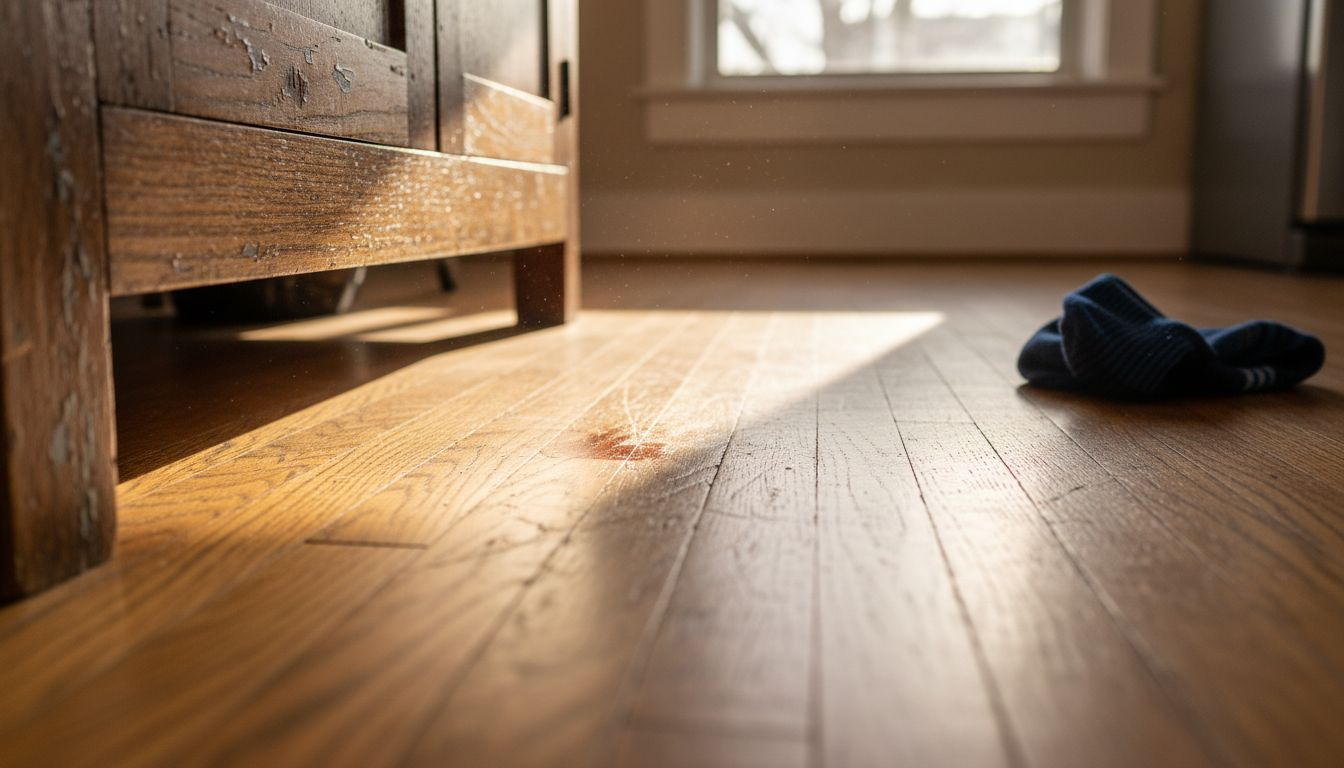
Dullness signals finish breakdown. Floors lose shine as protective coatings thin, leaving wood vulnerable. When routine cleaning no longer restores luster, refinishing is necessary.
Discoloration from sun exposure or spills indicates finish failure. Gray patches or dark stains mean moisture has penetrated, risking structural damage. Inspect high-traffic zones like entryways and kitchens monthly for early wear detection.
Wear affects both aesthetics and protection. Compromised finish allows moisture infiltration, causing warping or mold. Delays increase repair complexity and cost significantly.
Common visible signs:
- Surface scratches that catch light or feel rough underfoot
- Loss of sheen despite regular cleaning and maintenance
- Color inconsistencies or darkened areas near windows
- Splinters or rough patches where finish has worn through completely
- Water damage rings or stains penetrating protective layers
Catching wear early prevents irreversible damage. Signs your floors need refinishing become obvious with regular inspection, saving you from costly interventions later.
How environmental factors in Denver impact floor wear and refinishing frequency
Denver’s low humidity and temperature fluctuations stress hardwood floors uniquely. Dry air causes finish cracking and wood shrinkage, creating gaps between planks.
Humidity below 30% accelerates finish wear compared to humid regions. Wood contracts in dry conditions, stressing joints and coatings. Winter heating intensifies this effect, often necessitating more frequent maintenance.
Seasonal timing matters for refinishing in Denver. Spring and fall offer moderate humidity and temperature, ideal for finish curing. Summer heat or winter dryness can compromise application quality.
Monitor floors closely during climate extremes. Colorado’s elevation and arid conditions require vigilance beyond typical maintenance schedules.
Denver-specific considerations:
- Humidity swings from 20% to 60% seasonally stress wood and finish layers
- Rapid temperature changes cause expansion and contraction cycles
- High altitude intensifies UV exposure, accelerating finish breakdown
- Forced-air heating in winter depletes indoor moisture rapidly
Pro Tip: Run humidifiers during heating season to maintain 35-45% relative humidity, extending finish life and reducing crack formation.
Local climate impacts refinishing frequency in Denver homes significantly. Expect to refinish every 7-10 years rather than the national average of 10-15 years.
Refinishing methods compared: screen-and-recoat vs full sanding
Choosing between screen-and-recoat and full sanding depends on damage severity, budget, and desired longevity. Each method offers distinct advantages.
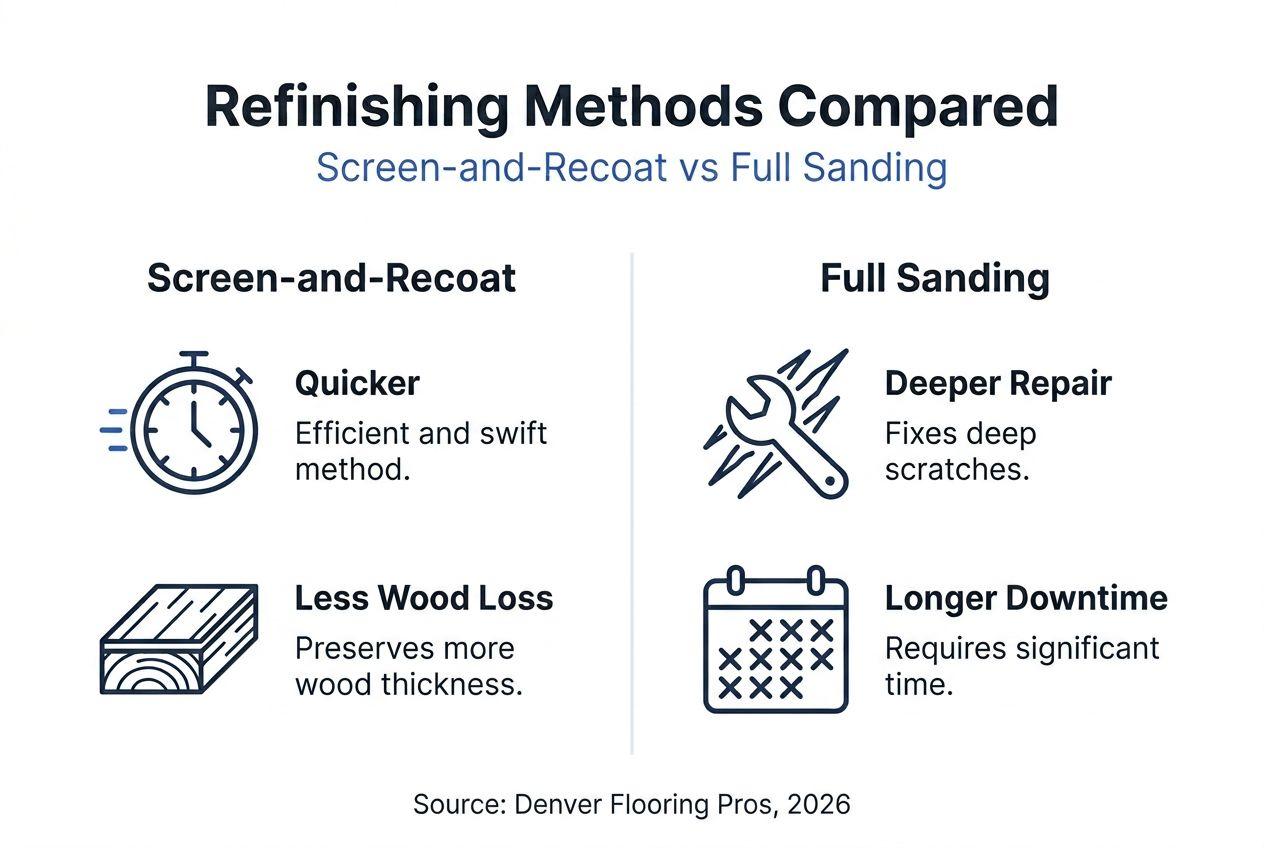
Partial refinishing like screen-and-recoat removes only 1/16 inch of wood compared to full sanding that can remove up to 1/4 inch. This preservation matters for thin flooring or historic homes.
Screen-and-recoat costs $1-$2 per square foot and takes 1-2 days. Full sanding runs $3-$5 per square foot and requires 3-5 days including drying time. Budget-conscious homeowners often choose screening for minor wear.
| Method | Wood Removed | Cost per Sq Ft | Downtime | Best For |
|---|---|---|---|---|
| Screen-and-recoat | 1/16 inch | $1-$2 | 1-2 days | Minor scratches, dullness |
| Full sanding | Up to 1/4 inch | $3-$5 | 3-5 days | Deep gouges, stains, warping |
Screen-and-recoat preserves more original wood, extending total floor lifespan. Floors can endure 5-8 refinishing cycles before replacement becomes necessary. Unnecessary full sanding wastes refinishing opportunities.
Full sanding addresses deep damage screening cannot fix. Water stains, severe scratches, or uneven wear require removing compromised wood layers. This method resets floors to near-original condition.
Method selection factors:
- Surface-only wear responds to screen-and-recoat refinishing effectively
- Structural issues like cupping or deep stains demand full sanding
- Budget constraints often favor screening for cosmetic improvements
- Timeline urgency suits screen-and-recoat’s faster completion
Pro Tip: Schedule professional inspection to determine minimum effective method, avoiding unnecessary wood removal and preserving future refinishing options.
Common misconceptions about floor refinishing debunked
Many homeowners believe refinishing always means full sanding and heavy wood removal. This misconception leads to unnecessary expense and wasted refinishing cycles.
Misconception: refinishing hardwood floors always means full sanding. Correction: partial refinishing techniques like screen-and-recoat preserve more wood and can be a better option in many cases. Understanding alternatives empowers better decisions.
Cost misconceptions also mislead homeowners. Full sanding appears cheaper per-refinishing but limits total cycles. Screen-and-recoat costs less upfront and preserves wood for future maintenance, reducing lifetime flooring expenses.
Maintenance errors shorten refinish intervals unnecessarily. Using harsh cleaners, excessive water, or abrasive tools damages finish prematurely. Proper care extends time between refinishing by years.
“Homeowners often assume visible wear means full sanding is required, but screen-and-recoat can restore appearance effectively while preserving the wood beneath for future refinishing cycles.” – Flooring Industry Expert
Common myths include:
- Belief that all refinishing removes significant wood thickness
- Assumption that DIY refinishing saves money compared to professional results
- Expectation that refinishing takes weeks rather than days
- Fear that refinishing disrupts home life completely
Proactive refinishing prevents premature replacement. Addressing wear early with appropriate methods maintains floor integrity and maximizes lifespan. Waiting until damage penetrates wood eliminates less invasive options.
Practical steps to assess and prepare your floors for refinishing
Inspecting floors systematically reveals refinishing needs before damage worsens. Follow these steps for accurate assessment and preparation.
- Walk barefoot across floors, feeling for rough patches or splinters indicating finish failure
- Examine floors in natural light, checking for dullness, scratches, and color inconsistencies
- Test water absorption by placing drops on surface; immediate soaking signals compromised finish
- Schedule professional inspection for expert hardwood refinishing assessment in Denver
- Clear furniture and belongings from rooms scheduled for refinishing work
- Research eco-friendly finish options that reduce VOCs and improve indoor air quality
- Review best refinishing services in Denver to compare expertise and pricing
- Plan refinishing during moderate weather for optimal finish curing conditions
Professional inspections provide accurate damage assessment visual checks might miss. Experts identify wood species, finish type, and ideal refinishing approach for your specific floors.
Preparing space properly ensures efficient work and quality results. Remove baseboards if necessary, and communicate pet or family scheduling needs with contractors upfront.
Selecting durable, eco-friendly products matters for health and longevity. Water-based polyurethane offers low odor and fast drying, while oil-based options provide deeper warmth and scratch resistance.
Hardwood full sanding refinishing requires more extensive prep than screening, but both benefit from thorough planning. Acting before wear penetrates wood preserves refinishing options and reduces costs.
Cost, lifespan, and value: when to refinish versus replace
Financial tradeoffs between refinishing and replacement guide smart flooring decisions. Understanding costs and lifespan extensions clarifies when each option makes sense.
| Option | Cost per Sq Ft | Expected Lifespan | Best Scenario |
|---|---|---|---|
| Screen-and-recoat | $1-$2 | Adds 3-5 years | Minor wear, cosmetic refresh |
| Full sanding | $3-$5 | Adds 8-12 years | Moderate damage, deep scratches |
| Replacement | $8-$15 | 30-100 years | Structural failure, extensive water damage |
Timely refinishing prevents expensive damage progression. A $2,000 refinishing investment protects against $15,000 replacement costs. Delaying action allows moisture penetration and structural issues requiring full removal.
Refinishing preserves home value significantly. Updated floors increase resale appeal and justify higher asking prices. Buyers perceive well-maintained hardwood as premium, offering strong return on refinishing investment.
Lifespan extensions vary by method. Screen-and-recoat adds 3-5 years between maintenance cycles, while full sanding resets floors for 8-12 years of renewed protection. Replacement becomes necessary only after multiple refinishing cycles or structural failure.
Economic benefits of proactive maintenance:
- Refinishing costs 60-75% less than replacement per square foot
- Early intervention prevents compound damage requiring extensive repairs
- Maintained floors command 3-5% higher home values at resale
- Quality refinishing extends total floor lifespan to 100+ years
Delayed action forces replacement prematurely. Water damage, deep gouges, or wood rot eliminate refinishing options entirely. Acting when first signs appear maximizes economic and aesthetic outcomes.
Maintain your floors with professional refinishing services in Denver
Recognizing refinishing signs is the first step; acting with professional help delivers lasting results. Expert assessment ensures you choose the right method and products for your floor’s unique condition.
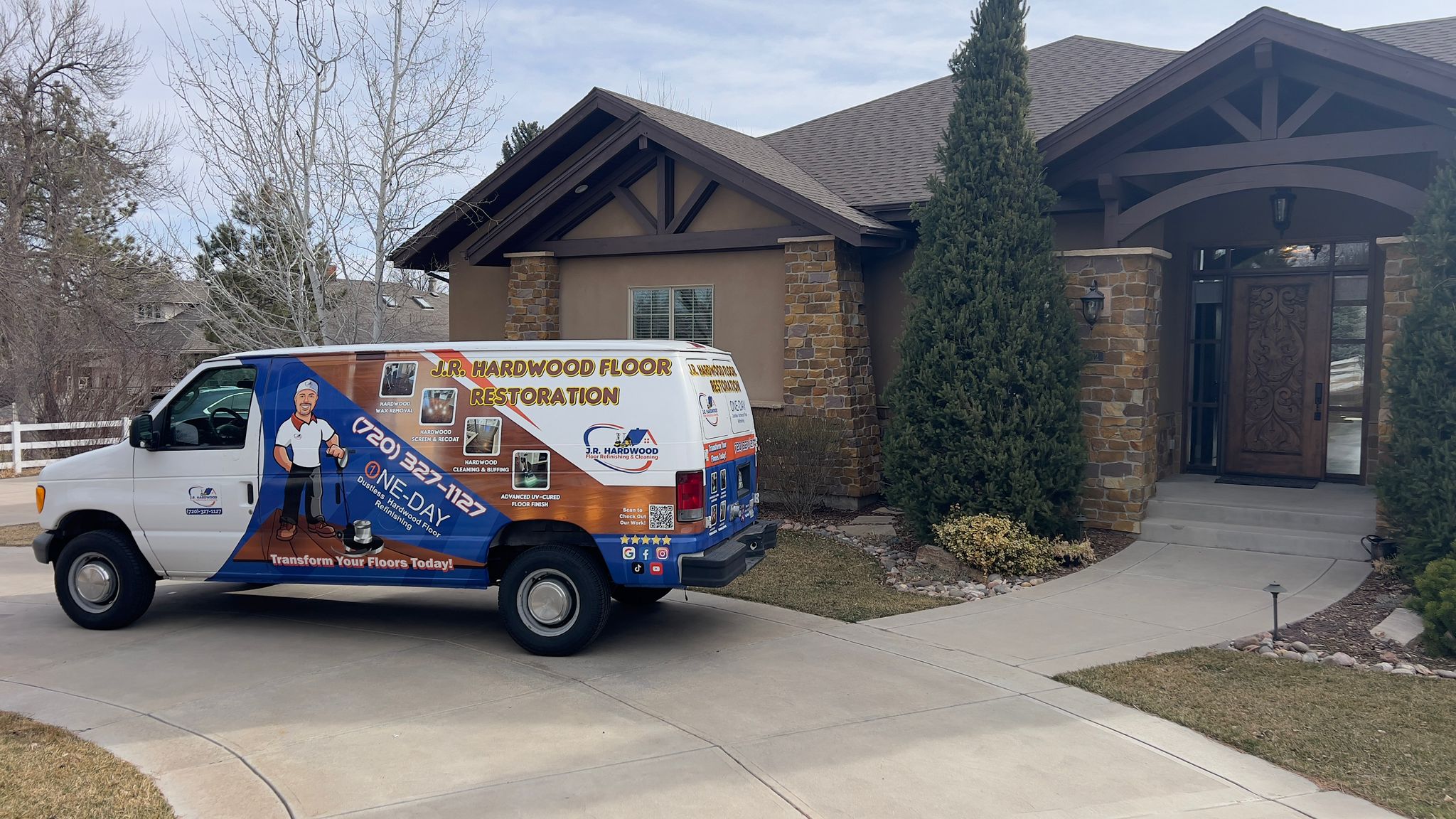
Professional hardwood refinishing services bring equipment, expertise, and efficiency homeowners cannot match. Specialists evaluate damage severity, recommend optimal methods, and apply finishes that withstand Denver’s climate stresses.
Quality application extends finish life dramatically. Professionals control dust, ensure even coating, and select products suited to your traffic patterns and aesthetic preferences. This attention to detail prevents premature wear and callbacks.
Explore comprehensive resources like our hardwood floor refinishing guide to understand processes thoroughly. Knowledge empowers informed conversations with contractors and realistic timeline expectations.
Hardwood refinishing and cleaning services tailored to Denver’s unique conditions protect your investment year-round. Local specialists understand humidity challenges, seasonal timing, and products that perform best in Colorado’s climate.
FAQ
What are the common signs that hardwood floors need refinishing?
Scratches, dullness, and discoloration indicate refinishing is necessary. Loss of sheen despite cleaning and visible water damage also signal finish failure requiring professional attention.
How often should Denver homeowners refinish hardwood floors?
Denver’s dry climate typically requires refinishing every 7-10 years, more frequently than humid regions. High-traffic areas may need attention sooner depending on wear patterns.
Is screen-and-recoat as durable as full sanding?
Screen-and-recoat adds 3-5 years of protection for minor wear, while full sanding extends lifespan 8-12 years. Method choice depends on damage severity, not inherent durability differences.
Can I refinish floors myself or should I hire professionals?
Professional refinishing ensures even application, proper equipment use, and finish durability. DIY attempts often result in uneven coatings, excessive dust, and shortened finish lifespan.
What time of year is best for refinishing floors in Denver?
Spring and fall offer moderate humidity and temperature, ideal for finish curing. Avoid extreme summer heat or winter dryness that can compromise application quality and drying times.